
Green Classrooms: Teaching Sustainability as a Way of Life, Not Just a Subject
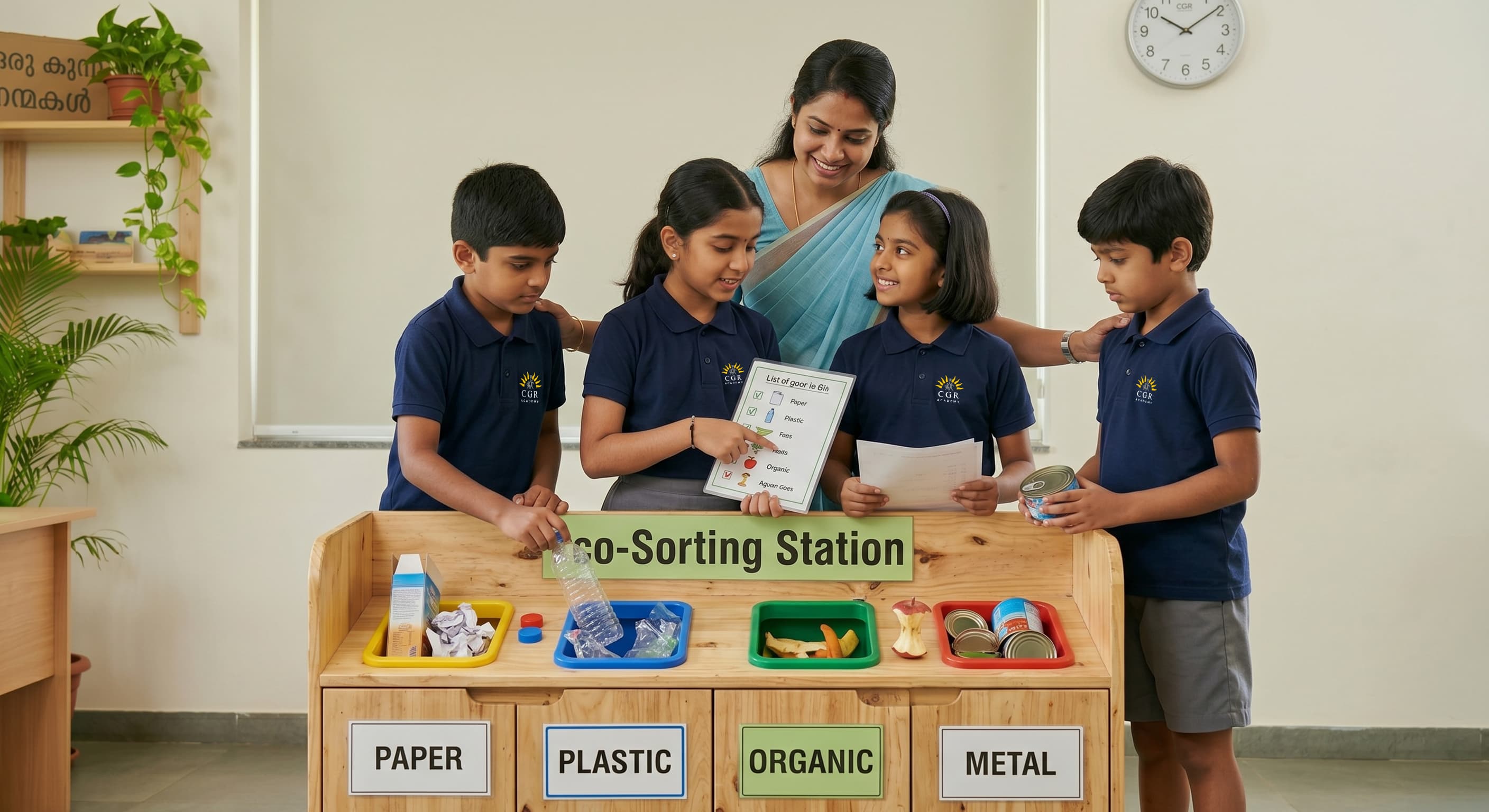
A green classroom doesn’t always look very different at first glance. Same desks, same boards, same noise before the bell. But something shifts in how things are done. It stops being about one chapter in a textbook and starts showing up in small habits, like a light switched off without being told, a conversation about where waste goes, or a teacher pausing, not to explain a definition, but to ask why it matters at all. It feels less like a subject and more like a quiet way of living inside the classroom.
It Can’t Stay Inside A Book
There’s something slightly strange about teaching sustainability only through lessons. Like explaining swimming without water. The ideas may be clear, but they don’t stay. That’s why even a simple school project on sustainable development can feel different when it asks students to observe their own surroundings instead of just writing about global issues. When they look at how much paper gets used in a week or how often taps are left running, it becomes real in a way textbooks rarely manage. The shift happens when learning stops being about answers and becomes about noticing.
Small Actions That Stay Longer
It’s often the smaller things that linger. Not the big speeches or posters, but repeated actions that slowly become normal. When classrooms start including energy conservation activities for students, like tracking electricity use or sitting near windows instead of turning on lights, it doesn’t feel like a lesson. It feels like a choice being made again and again. Over time, these choices stop needing reminders. They just happen. And that might be the quiet goal, though it’s rarely said out loud. At CGR International School, we bring these small choices into everyday learning, helping students turn simple sustainable actions into lasting habits through guided, student-led practices.
Children Understand More Than Expected
There’s a tendency to simplify things too much when it comes to children. As if they won’t understand unless everything is made easy and neat. But environmental education for kids doesn’t always need to be softened. Children already notice things adults overlook. The heat in a classroom. The smell near garbage bins. The difference between clean and polluted spaces. When given the chance, they don’t just learn about sustainability. They question it. They ask why things are the way they are, and sometimes those questions are uncomfortable. But they’re also honest, and maybe that honesty is what makes the learning stick. At CGR International School, we encourage students to question, observe, and think independently, allowing their natural curiosity to shape a deeper and more meaningful understanding of sustainability.
Teachers Become Part Of The Lesson
A green classroom isn’t built only through activities or projects. It quietly depends on how teachers act when no one is watching. If a teacher talks about saving resources but prints unnecessary pages, the message becomes confusing. Not in a loud way, just in a way that makes students unsure what to believe. But when actions and words match, even in small ways, something aligns. The classroom starts to feel consistent. And consistency, even more than information, seems to shape habits. This is where sustainable development for schools becomes less of a plan and more of a shared rhythm between everyone in the room. At CGR International School, we as educators model sustainability through our daily actions, working alongside students to build genuine understanding and responsible behavior that extends beyond the classroom.
It Doesn’t Need To Be Perfect
There’s often pressure to do everything “right” when talking about sustainability. To follow every rule, avoid every mistake. But classrooms are messy places. Things get forgotten. Efforts fall short. And that’s part of the process too. A green classroom doesn’t have to be flawless to be meaningful. Sometimes it’s just about trying again the next day. About noticing what didn’t work and adjusting without making it a big deal. That kind of learning feels more real than any perfect system.
Why This Way Feels Different
Teaching sustainability as a subject gives knowledge. Teaching it as a way of life changes behavior, slowly and unevenly. The difference is not dramatic. It doesn’t show up in test scores right away. It shows up in how students carry these ideas outside the classroom, in how they react when they see waste, and in the questions they ask at home. It’s not something that can be measured easily, which might be why it’s often overlooked.
Learning That Grows With Every Child
At CGR International School, we believe that an educational institution is not one that is impersonal. Instead, we follow a student-centric model where every child is seen and heard. In our classroom, we believe in laying a strong foundation in concepts, not in completing the course. We believe that understanding is more important than memorizing. We encourage our children to think on their own and ask questions. They are encouraged to grow up to be confident individuals who are not afraid of speaking their minds. In our classroom, teachers are not only teachers; we are collaborators. In addition to academic growth, we believe that character is an important part of a child’s life. Therefore, we encourage our children to be responsible and grounded. In CGR, growth is not only reflected in the marks that our children score; it is reflected in their thought process and the way they move on in life.
Final Thoughts
Maybe a green classroom isn’t about adding more to the curriculum. It may be something as simple as changing the way things are done. Making sustainability part of daily life instead of confining it within certain lessons. Allowing students to see it, question it, and practice it without the burden of perfection. Gradually, all these little things add up and create something substantial. Not flashy, not loud, but substantial in a quiet way. And maybe that is all we need. At CGR International School, we incorporate sustainability in our students’ daily learning experiences and encourage them to develop mindful practices that eventually become part of their lives.