
How Can You Teach Time Management for Kids Effectively?
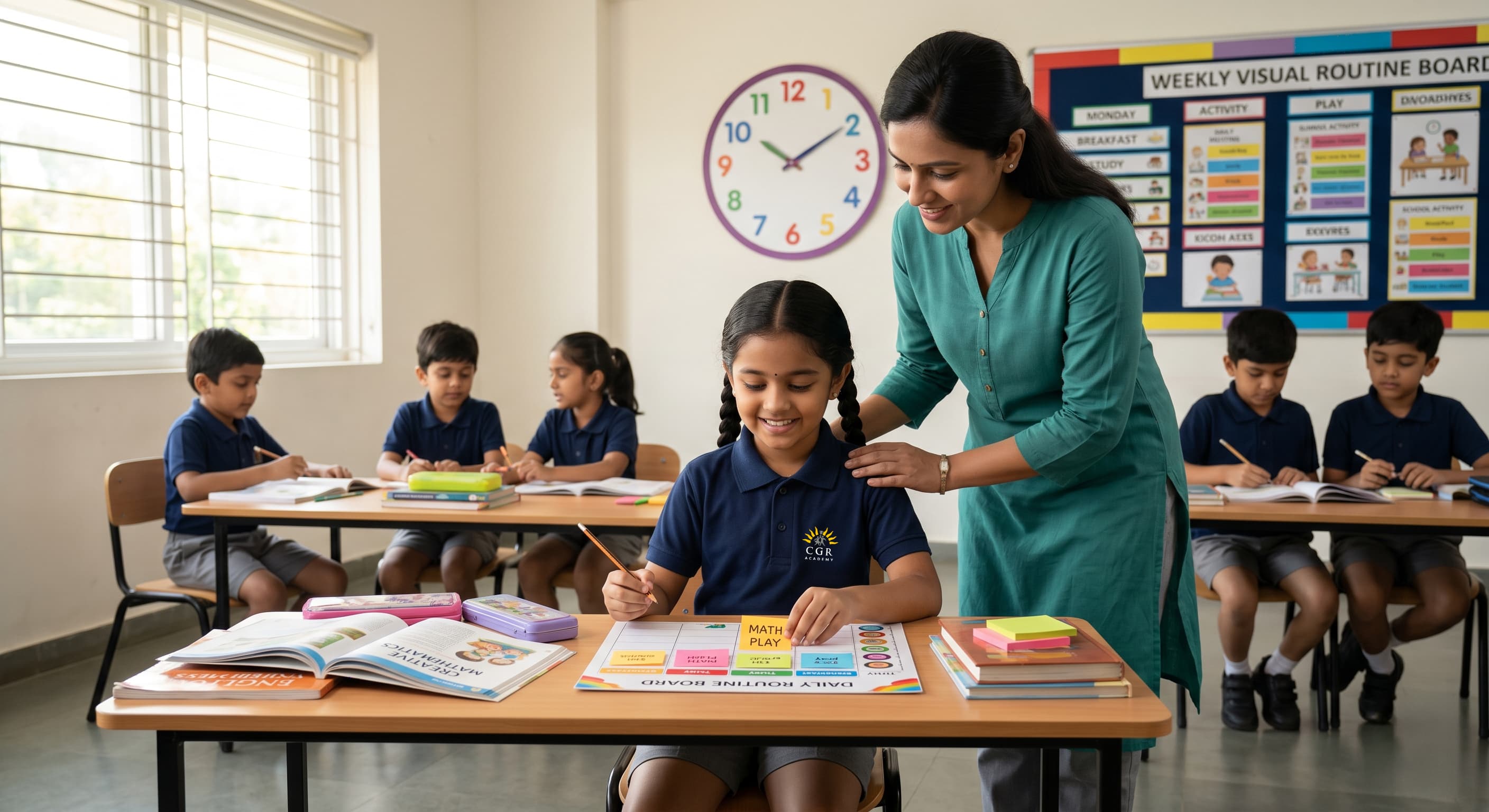
Time is a strange thing for a child. It isn’t something they can touch or see clearly. It just moves. Adults talk about “five minutes” or “later” as if those words mean something solid, but for a child, they don’t always land that way. That’s probably where the trouble begins with time management for kids. It’s not really about discipline at first. It’s about understanding what time even is. A child might feel like they just started playing, but an hour has passed. Or they might be told to hurry, without knowing what “quickly” actually looks like. It’s easy to assume they’re ignoring instructions, but often they’re just not measuring time the same way. So before anything else, it helps to accept that they’re not being careless. They’re still learning how time works in their own mind.
Teaching Time Without Making It Heavy
Trying to “teach” time too directly can backfire. It turns into pressure. And once something feels like pressure, children resist it quietly. It seems to work better when time is shown, not explained. Like when a parent says, “This cartoon ends when the big hand reaches here,” instead of saying “ten minutes left.” That small shift makes time visible. It connects time to something real. Over time, those small moments build time management skills without making it feel like a lesson. Even daily routines help more than structured lectures ever could. Waking up, getting ready, eating, playing, these patterns give children a rhythm. And rhythm is often how time starts to make sense. It’s not perfect, and it doesn’t need to be.
Why Structure Matters More Than Strictness
There’s a difference between structure and strictness, though they sometimes look similar from the outside. Strictness feels sharp. It’s about rules being followed exactly. The structure feels softer. It’s more like a guide that repeats itself gently every day. Children respond better to structure. When they know what usually happens next, they don’t have to guess. That reduces the small confusion they carry through the day. And with less confusion, they slowly start to learn time management without even noticing. A predictable routine doesn’t mean every minute is planned. It just means the day has a shape. And that shape becomes something they lean on. At CGR Academy, we create this kind of gentle structure through thoughtfully designed routines that help children feel secure while naturally building their sense of time.
Letting Them Feel Time, Not Just Hear About I
Sometimes adults explain time too much and let children experience it too little. A child understands more from waiting than from being told about waiting. If they spend too long on a game and run out of time for something else, that small disappointment teaches more than a lecture ever could. Not in a harsh way, just in a natural way. That’s where learning sticks.
The Role Of Adults Without Overstepping
There’s always a temptation to step in too quickly. To remind, correct, and fix every small delay. But constant reminders can make children depend on them. A quieter approach works better, gentle prompts instead of constant instructions. Something like, “What do you think comes next?” instead of “Hurry up.” It shifts the responsibility slightly toward them, without making it overwhelming. Even small decisions help. Choosing when to start homework or how long to play. These choices build confidence alongside time management skills, even if mistakes happen along the way. Mistakes aren’t interruptions in learning. They are learning.
Schools And Their Quiet Influence
The environment around a child shapes how they understand time more than any single lesson. Some schools pay attention to this in subtle ways. Not by forcing strict schedules, but by creating balanced routines where children can sense time passing through activities. Places like the best international school in Kollur often focus on this balance. Not just academics, but how children move through their day. Transitions between activities, time for play, time for focus, all of it adds up quietly. It’s not about making children efficient. It’s about helping them feel comfortable within time. That comfort matters more than speed. At CGR Academy, we consciously design each school day to balance learning, play, and reflection so children gradually build time awareness without pressure.
When Progress Feels Slow
It can feel like nothing is changing at times. A child might still get distracted, still forget what they were supposed to do, still stretch five minutes into twenty. That’s normal. Learning time is slow because time itself is invisible. There’s no quick way to grasp it fully. But small signs appear over time. A child starts checking the clock. Or they finish something without being reminded. Or they notice they’re running late. Those moments are easy to miss, but they matter. They show that something is settling inside.
Where Learning Finds Its Own Rhythm
At CGR Academy, we don’t rush childhood, we shape it with care. Spread across a thoughtfully planned campus, our spaces are designed to let curiosity breathe, whether it’s in tech-enabled classrooms, open play areas, or creative labs. We bring together academics, co-curricular clubs, and hands-on experiences so children discover what truly excites them. With a strong focus on both emotional and intellectual growth, we quietly guide students to think, question, and explore. Backed by experienced educators and a legacy of trust, we create an environment where learning feels natural, not forced, and where every child finds their own pace.
Final Words
Teaching time isn’t really about control. It’s about understanding. Children don’t need perfectly planned schedules or strict systems. They need experiences that make time feel real. They need routines that repeat gently. And they need space to make small mistakes without feeling rushed or judged. That’s how time management for kids begins to take shape. Not as a rule they follow, but as something they slowly understand. It doesn’t happen all at once. And it doesn’t look neat. But over time, it becomes part of how they move through the day, almost without thinking about it.