
How to Prepare Your Child for Early Years Admission 2026-27 at School
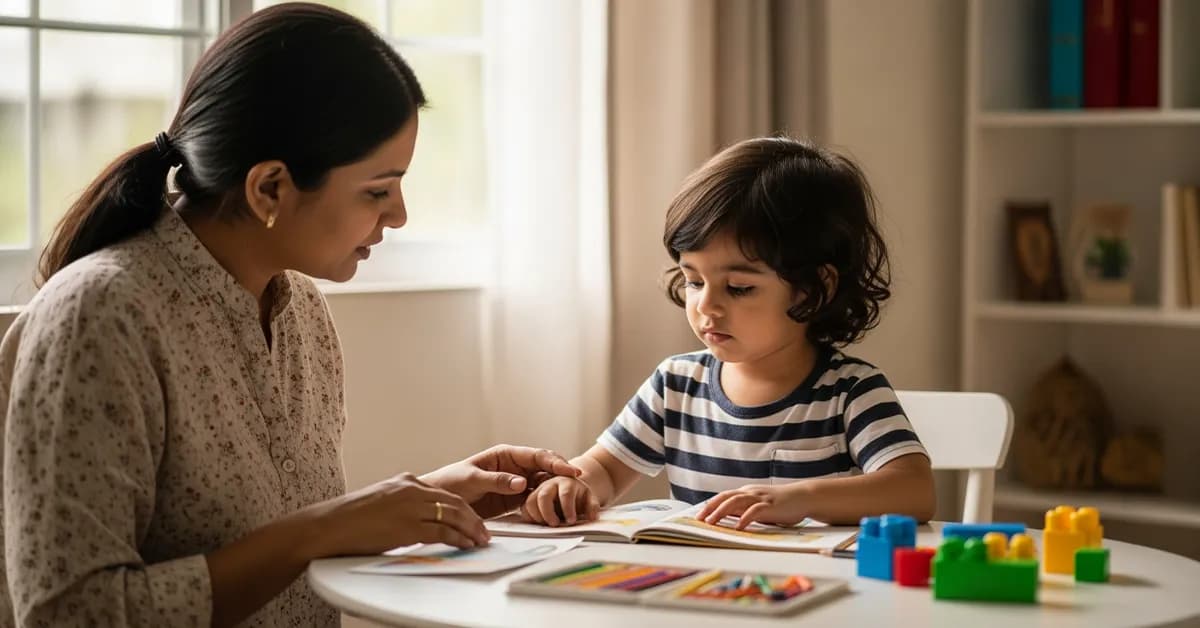
Preparing a child for early years admission often starts quietly, long before forms are filled or school gates are visited. There is usually a sense of time moving faster than expected. One day the child is still very small, and the next, conversations begin about classrooms, routines, and readiness. It can feel confusing because there is no single moment that clearly says a child is “ready.” What exists instead is a gradual shift, both in the child and in the family, that needs a little attention and a lot of patience.
Understanding What Early Years Really Ask For
Early years admission is less about knowing letters or numbers and more about how a child handles the world outside home. Schools may say this in different ways, but at the core, they look for comfort with simple routines, the ability to sit for short periods, and a basic ease around other children. This does not mean perfection. It simply means the child has had chances to look, to wait, to listen, and to express simple needs. It helps to remember that early education is not meant to be a test of intelligence. It is a starting point. Thinking about it this way can ease some of the pressure that often builds around school admissions.
Watching Your Child Closely
Every child shows readiness differently. Some talk early and confidently but struggle with separation. Others stay quiet but observe everything closely. Paying attention to these small patterns matters more than comparing milestones with other children. A child who can play alone for a few minutes, follow a simple instruction, or show curiosity about stories is already doing enough. These signs are easy to miss because they appear ordinary, but they are the foundation schools usually hope to build on.
The Home Environment Matters More Than It Seems
Home does not need to look like a classroom. In fact, it works better when it does not. What helps is a predictable rhythm to the day—mealtimes that happen around the same time, sleep that is not constantly shifting, or small responsibilities like putting toys away or washing hands before eating. These habits quietly teach a child that the world has patterns. When school begins, those patterns feel familiar rather than overwhelming. Reading together, talking during everyday tasks, and letting the child ask endless questions all count. None of this needs to be forced or scheduled tightly.
Getting Comfortable With Separation
One of the hardest parts of early admission is not learning, but leaving. For many children, school is the first space that exists without a parent nearby. Preparing for this does not require dramatic practice sessions. It can start with short separations that feel safe. Spending time with a trusted relative, attending a playgroup, or staying with a caregiver for an hour helps a child learn that parents return. That understanding takes time and cannot be rushed. When separation is handled calmly, children often absorb that calm more than any reassurance spoken out loud.
Choosing A School Without Rushing
Searching for schools often brings a flood of opinions. Everyone seems to know the best options for 2026–27 school admissions in Velimela Kollur, and advice can quickly become overwhelming. It helps to slow this part down. A good school for early years feels warm rather than impressive. It welcomes questions and speaks openly about how children settle in. Facilities matter, but so does how teachers speak to children at eye level.
For families looking locally, conversations often include the best schools in Velimela Kollur or the best CBSE schools in Velimela, Hyderabad, because proximity and curriculum shape daily life more than brochures do. At CGR Academy, we believe early years education should feel reassuring, not overwhelming. We focus on creating a warm, secure environment where children are understood, supported, and allowed to settle in at their own pace.
Gentle Preparation Without Pressure
Some families worry about interviews or assessments. Preparation here should stay light. Talking to the child about what a school looks like, reading books about classrooms, or visiting the school once can reduce fear. There is no need to rehearse answers or demand performance. Children often respond best when they feel trusted rather than tested. Confidence grows when children feel accepted as they are, not when they are pushed to prove something.
At CGR Academy, we prepare children gently for school life by nurturing confidence, curiosity, and emotional comfort rather than pushing performance. We see every child as ready in their own time, and we work closely with families to make that transition feel natural.
Where Learning Meets Space, Skill, and Curiosity
At CGR Academy, we grow on a 7-acre campus designed to give children the freedom to look around, move, and think. With expansive outdoor play areas, tech-integrated classrooms, and thoughtfully designed learning spaces, we support both academic focus and creative expression. Our blended Cambridge and CBSE framework helps students build strong foundations while developing critical thinking and global awareness. From science labs and STEAM spaces to music, art, sports, and design thinking labs, we nurture curiosity in many forms. We believe education should shape confident, emotionally aware learners, balancing IQ with EQ for the world ahead.
Final Thoughts
Preparing a child for early years admission is less about doing more and more about noticing what already exists. A child who feels secure, heard, and gently guided is already carrying what school needs. The most useful preparation happens in ordinary moments—shared meals, quiet conversations, and small goodbyes that end in returns. When these pieces fall into place, school becomes just another place where the child continues growing, rather than a sudden leap into the unknown.