
The Modern Parent’s Guide to Surviving Exam Season (Without the Stress)
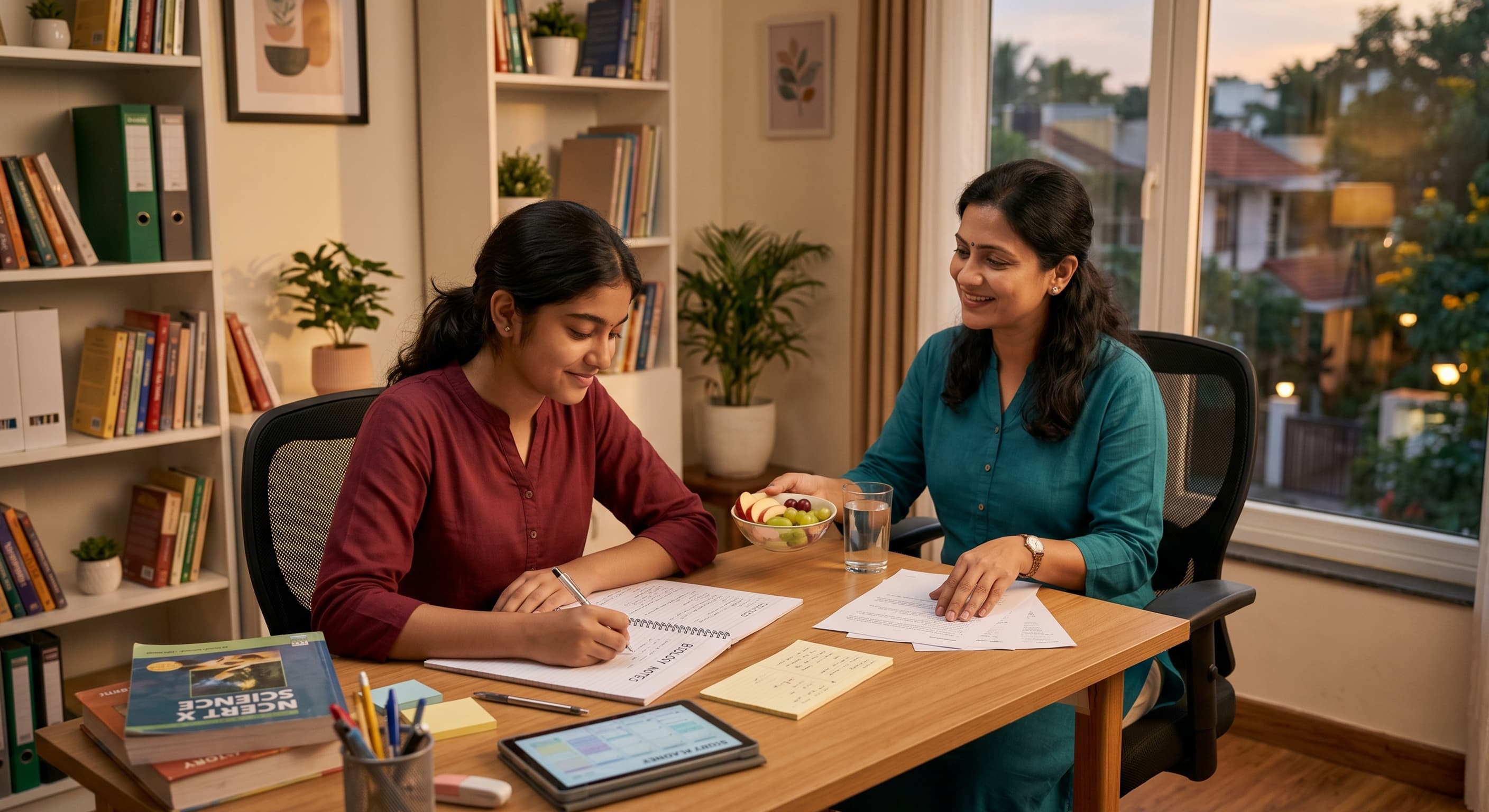
There’s a quiet shift in the house when exams come close. It’s not loud or dramatic, just a small tightening of routines, a little less laughter, a little more watching the clock. A parent can feel it before anyone says anything. It shows up in the way a child flips through books without really reading, or how dinner conversations get shorter. It’s strange how exams, which are just a part of growing up, slowly start to feel like the only thing that matters. And somewhere along the way, parents begin carrying that weight too. Not because they want to pressure their child, but because they care, maybe a little too much sometimes.
Trying To Stay Calm When They Aren’t
A child doesn’t always say “I’m stressed.” It comes out in other ways, like snapping over small things, sitting with books open but mind somewhere else, and asking the same question again and again, as if the answer might change. This is usually the moment when a parent feels the urge to step in and fix it. To remind them to focus, to study harder, to not waste time. It comes from a good place, but it doesn’t always land well. Sometimes, what helps more is just being there without trying to solve it, sitting nearby, asking how it’s going, and really listening to the answer, even if it’s just a shrug. There’s something steady about that kind of presence. It tells the child they’re not alone in it.
The Pressure That Doesn’t Need Words
Not all pressure is spoken. It lives in expectations, in comparisons, in the way marks are talked about at home. Even small comments can stay longer than intended. Parents often think they’re encouraging, but children can hear something else entirely. A simple “you can do better” might turn into “what you’re doing isn’t enough.” And that slowly builds into something heavier, something close to fear. That’s where conversations around overcoming fear of failure quietly matter. Not as a lecture, not as a lesson, but just as something normal to talk about, like letting a child know that it’s okay to not get everything right, or that mistakes aren’t something to hide from. It doesn’t remove the stress completely, but it softens it.
Small Things That Keep Everything Steady
During exams, life tends to shrink into books and schedules. But children still need the ordinary things that make them feel okay. Food is one of those things that gets overlooked. Meals become rushed or skipped. But a simple, regular routine around eating can do more than expected. Not something strict or complicated, just a gentle focus on a balanced diet for a healthy life, like warm food, familiar tastes, something that feels grounding. Sleep is another quiet piece of this. Late-night studying sounds productive, but it often leaves them more tired than prepared. It’s hard to explain this without sounding like a rule, but it helps when parents treat rest as something important, not something to sacrifice. These things seem small, almost too simple, but they hold everything else together. At CGR, we believe these small routines shape a child’s confidence, and we guide students through balanced habits that support both learning and emotional well-being.
When Support Comes From Outside
Sometimes, it’s not just about what happens at home. Schools have started doing things differently too, and it helps more than expected. There are spaces now where parents can learn how to handle this season better. Things like parent workshops in schools don’t always get much attention, but they can quietly change how things feel at home. Hearing other parents talk about the same worries can make everything feel less heavy. Children also benefit from learning how to manage their time without feeling overwhelmed. Not perfectly, just enough to feel in control of their day. That’s where something like time management training can actually make a difference. It’s not about filling every hour, but about knowing when to stop, when to take a break, when to keep going. It takes some of the pressure off both sides. At CGR International School, we actively work with both students and parents during exam phases, creating a supportive environment where stress is understood and managed with care.
Letting Exams Be Just Exams
It’s easy to forget this, but exams are only a part of a much bigger picture. They feel huge in the moment, but they don’t define everything that comes after. Parents often carry memories of their own exam stress, and without realizing it, pass that feeling on. Maybe that’s why it all feels so serious. But children don’t need that weight added to what they’re already carrying. What they need is a home that feels steady even when things are uncertain, a place where they can take a break without feeling guilty, where marks matter, but not more than how they feel.
Where Learning Feels Personal
At CGR International School, we understand that no two learners are the same. That’s why we shape our teaching around each child, helping them learn in ways that feel natural and engaging. We work closely with our students to build clarity in concepts, not just surface-level knowledge. Over time, they begin to think independently and take ownership of their learning. Beyond academics, we focus on confidence, values, and real-life skills. With a caring and secure environment around them, students feel supported as they grow, explore, and prepare themselves for the challenges of the world ahead.
Final Thoughts
When exams finally end, the house slowly returns to itself. Conversations stretch out again. Meals feel less rushed. There’s a kind of quiet relief that doesn’t need to be spoken. Looking back, it becomes clear that surviving exam season isn’t really about getting everything right. It’s about keeping things balanced enough so that no one feels lost in it. A parent doesn’t need to have all the answers. Just staying calm, paying attention, and letting the child know they’re supported is often enough. It doesn’t remove the stress completely. But it changes how it feels. And sometimes, that’s what makes all the difference.